Learn
How the UK grid works
Short, plain-English explainers about how the UK electricity grid works — carbon intensity, settlement periods, interconnectors, the wholesale market, and more.
The grid, explained
-
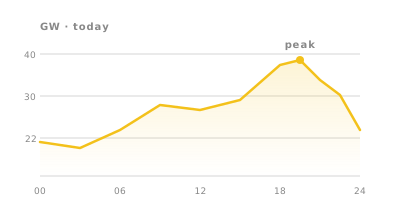
National demand, explained
The dashboard's headline DEMAND number is one of several ways to count British electricity consumption — and they don't all agree. Here's what each definition measures and which one you're looking at.
-
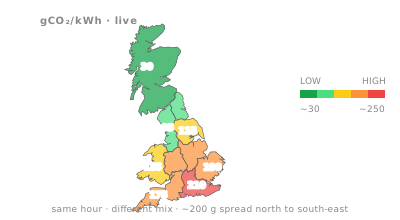
Why the grid is dirtier in London than in Scotland
At any given moment, the carbon intensity of British electricity varies by up to 200 gCO₂/kWh across the country. The map on the dashboard shows you who's burning what, where.
-
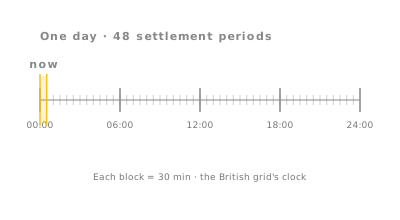
What's a settlement period?
Britain's electricity grid runs on a thirty-minute clock. Every half-hour is a contract, a price, and a balance sheet. Here's why that matters for everything you see on this dashboard.
The energy mix
-
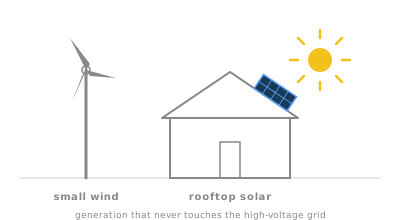
Embedded wind and solar, explained
Most of Britain's solar generation doesn't show up on the grid. It's wired straight into the local distribution network. Here's why that matters for the numbers you see here.
-
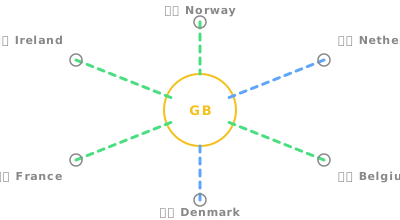
The UK's interconnectors, explained
Britain has ten subsea cables linking it to six neighbouring grids. They balance supply, arbitrage prices, and quietly supply 6–9% of the country's electricity.
-
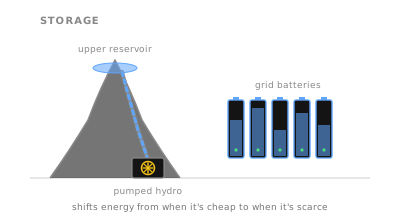
Britain's batteries and pumped hydro
Storage is the smallest slice on the donut, but it does outsized work — soaking up surplus wind at midnight, releasing it at the peak. Here's what's actually on the system today.
Prices & markets
-
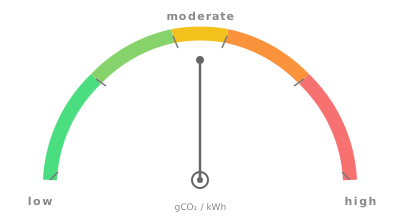
How carbon intensity is calculated
The single number that tells you how dirty British electricity is right now. What it actually measures, where it comes from, and why the bands keep shifting.
-
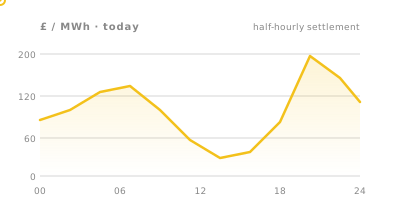
The wholesale market index price
Every half-hour, the British electricity market settles a single price in pounds per megawatt-hour. Here's what it represents, who pays it, and why it swings so wildly.